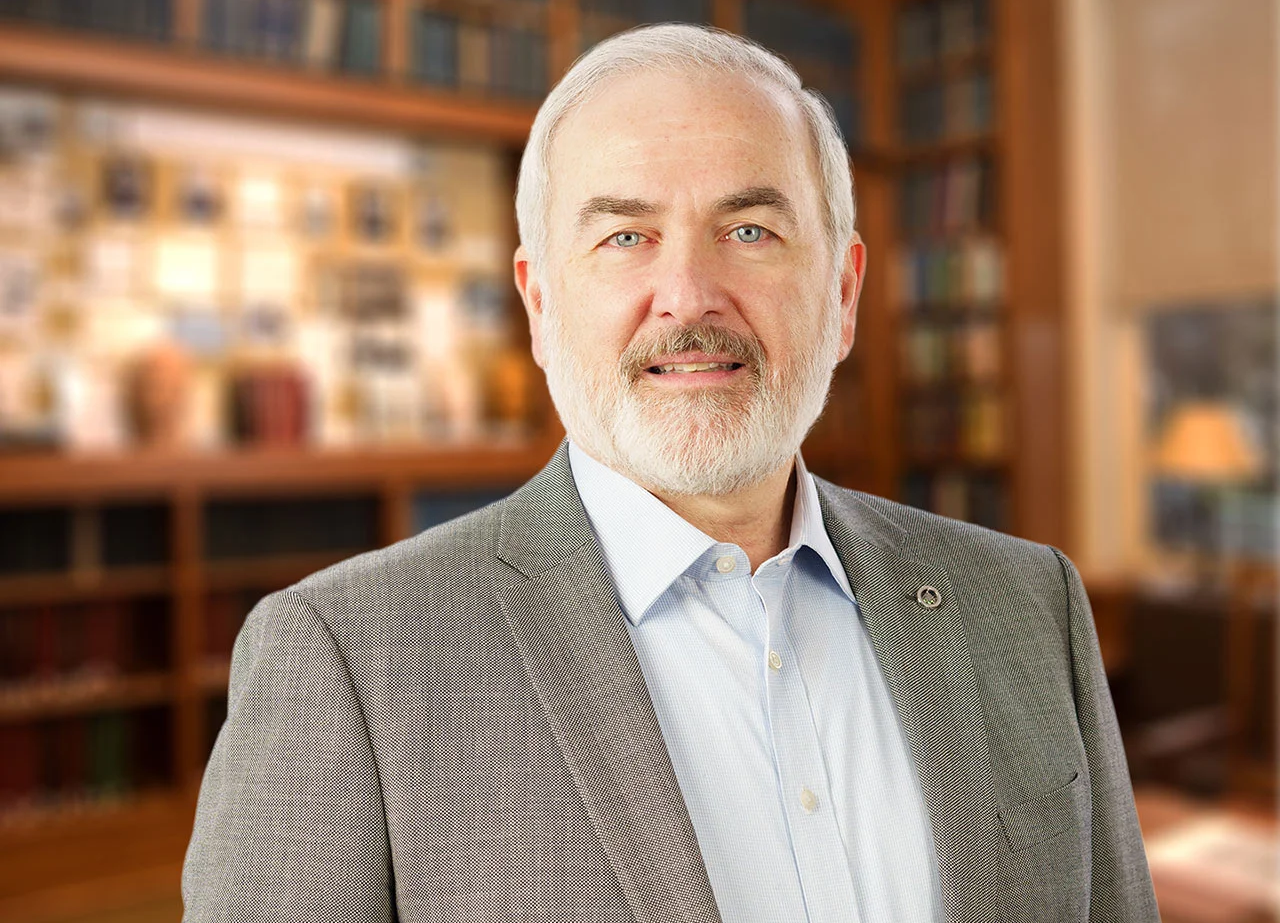
 Adrian Krainer, winner of the 2021 Wolf Prize in Medicine, the 2019 Breakthrough Prize in Life Sciences, the 2019 International Prize in Translational Neuroscience, and the 2019 RNA Society Lifetime Achievement Award, is the St. Giles Foundation Professor at Cold Spring Harbor Laboratory (CSHL) and co-director of the CSHL Cancer Center. He is also a co-founder and director of Stoke Therapeutics. Adrian’s fundamental and applied research on RNA splicing for over three decades directly led to the invention and development of Spinraza™ (nusinersen), the first approved therapeutic that corrects a splicing defect and a life-saving drug for infants with spinal muscular atrophy. He is a member of the National Academy of Sciences, the National Academy of Medicine, the American Academy of Arts and Sciences, and the National Academy of Inventors. Adrian was awarded the 2019 Breakthrough Prize for his work developing Spinraza, which the prize committee described as “one of the first of a promising new breed of antisense therapies.”
Chris Vakoc has accepted a position on the faculty of St. Jude’s in Memphis, TN. We wish him continued success and hope his dedication will continue to advance the field of pediatric sarcoma research and will improve the lives of children around the world.
“Basic science is the foundation of every medical breakthrough. By uncovering the fundamental mechanisms by which cells function, genes are regulated, and diseases develop, researchers generate the knowledge that enables innovation. These discoveries provide the critical insights needed to identify new drug targets, develop more precise diagnostics, and create novel therapies. Translational research builds on this foundation by transforming laboratory discoveries into real-world treatments that improve patient care. Together, basic and translational research form a continuous cycle of discovery and application, ensuring that today’s scientific insights become tomorrow’s life-changing advances for patients and their families.”